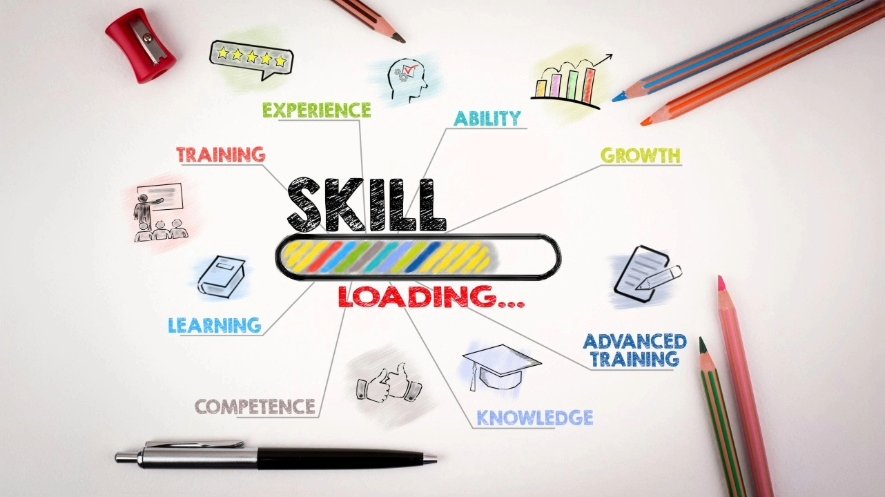
What is Skill? based on past, present, and future and hope & desire.
Join the engaging content on branding, designing, digital marketing, technology, sales, data analytics, psychology, health and geopolitics to empower growth!
Table of contents
Skill is a learned ability to perform tasks or solve problems efficiently and effectively. It is not static but evolves through practice, learning, and adaptation. When viewed through the lens of past, present, and future, and shaped by hope and desire, skill becomes a dynamic and holistic concept.
Here’s a breakdown of skills to these dimensions:
Skill and the Past
Learning from Experience: Skills are developed through past experiences. Past actions, successes, mistakes, and challenges serve as lessons that shape your abilities. These experiences form the basis of your current skill set.
For example, if you struggled to learn a new language but persisted through repeated practice and correction, those efforts from the past established your current proficiency.
Building Blocks of Skill: Past experiences serve as stepping stones. Every step—whether it’s knowledge gained, mistakes made, or lessons learned—refines your skills. Reflection on both what worked and what didn’t is critical for growth.
Example: An athlete reviews recordings of past performances to identify mistakes and refine their technique.
Skill and the Present
Application and Practice: The present is where skills are actively honed and applied. It’s the space for practising what you’ve learned and refining those abilities. The more you engage in a particular task or activity, the more you solidify your skill.
Example: A chef perfects their cooking by experimenting in the kitchen each day, learning from immediate feedback.
Continuous Improvement: In the present, you can adjust, adapt, and continuously improve. It’s about being intentional with your actions, focusing on practising and refining specific skills based on feedback, self-reflection, or real-time challenges.
Example: A musician practices a challenging piece daily, making slight adjustments based on what they hear and feel.
Mindfulness and Learning: Being mindful of your current skill level helps you see where you stand today and what actions you need to take to enhance your capabilities.
Example: A software developer regularly reviews their latest code to identify weaknesses and learn new programming techniques.
3. Skill and the Future
Skill Development for Tomorrow: The future is where aspirations and goals take centre stage. Skills are not just for current tasks but are developed with an eye toward future needs, opportunities, or challenges. The future is the space where you envision the next level of your abilities.
For example, if you wish to advance in your career, you may need to acquire new skills or refine existing ones to meet future demands.
Example: A marketing professional anticipates the rise of digital advertising and starts learning about social media analytics to remain competitive.
Anticipating Change: As the world evolves, so too must your skills. The ability to foresee future trends and shifts in your industry or personal life helps you prepare by learning the relevant skills today that will ensure success tomorrow.
This forward-looking mindset enables proactive skill development, preparing you for new opportunities.
Example: A teacher learns about online education tools to adapt to possible shifts in instructional methods.
4. Hope and Desire in Skill Development
Hope as a Motivator: Hope fuels the desire to improve. It’s the belief that the future can be better and that you can actively shape it by building the right skills. Hope drives you to invest time and effort into learning, even when progress is slow or challenges arise.
For example, if you hope to become a better leader, the belief that you can improve motivates you to develop communication and leadership skills today.
Example: Someone hoping for a promotion works on communication and leadership skills, believing their efforts will pay off.
Desire as Direction: Desire gives purpose and direction to skill development. It reflects your personal goals, dreams, and ambitions. While hope provides the emotional energy, desire sets the target. Together, they push you to achieve higher levels of proficiency and mastery.
The desire to master a skill—be it in music, technology, or business—gives you focus and clarity about what skills to prioritise and how to structure your learning efforts.
Example: Inspired by a dream to play in an orchestra, a violinist dedicates focused time each day to practice with clear long-term goals.
Summary of Skill Through Past, Present, Future, Hope & Desire
Past: The foundation of skill development is rooted in the lessons, experiences, and knowledge gained from the past. Reflecting on those experiences helps identify the skills you have already acquired and the areas that need improvement.
Present: The present is the realm of practice and refinement. It’s where skills are actively used, honed, and adapted. Consistent effort in the present ensures growth and the ability to meet today’s challenges with confidence.
Future: The future represents the aspirations and goals that guide your skill development. Anticipating future needs and proactively building relevant skills ensures that you are prepared for the opportunities and challenges that lie ahead.
Hope & Desire: Hope motivates continuous learning and improvement, while desire gives direction to your efforts. Together, they push you toward mastery and fulfilment, ensuring that the skills you build are aligned with your vision for the future.
In essence:
Skill is the evolving result of accumulated experience (past), active effort and improvement (present), and thoughtful preparation for future needs (future), all energised by hope and guided by desire.